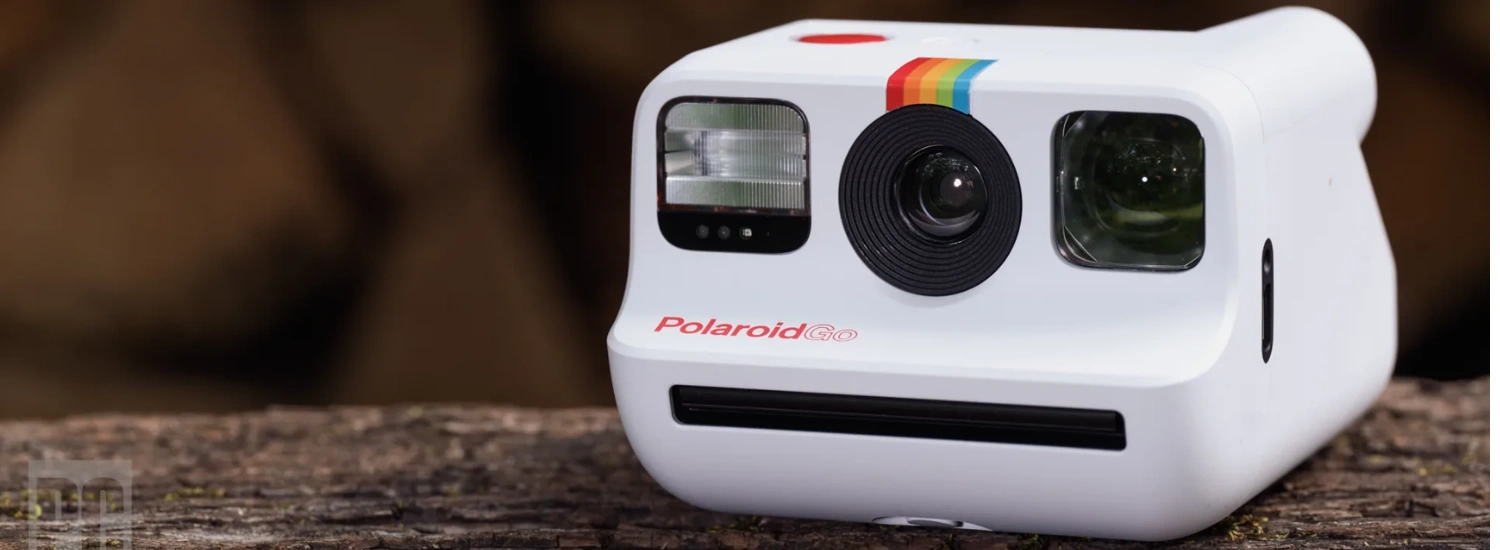
Is The Polaroid Go Generation 3 Actually Better This Time
admin 2026-08-15 10:52:00
Generation 3 promises sharper shots and better exposure in a familiar tiny body. The meaningful changes become clearer once you look beyond its size.
All featured products are selected by our editors and may include affiliate links. If you purchase through these links, we may earn a commission.
The Polaroid Go has always had an irresistible idea behind it. Shrink analog instant photography until the camera can comfortably travel almost anywhere. Earlier generations proved the concept was fun, but inconsistent exposure and a very small image format could temper that enthusiasm.
Generation 3 tries to address those concerns with a redesigned lens, stronger flash and revised exposure behavior. Here is where those changes genuinely matter and where familiar limitations remain.
Generation 3 Changes
Polaroid could easily have refreshed the colors and called this a new generation. Instead, several changes affect how photographs are actually made. Generation 3 introduces different optics, a more powerful flash and changes to aperture and shutter performance while retaining the simple point and shoot character of the Polaroid Go.
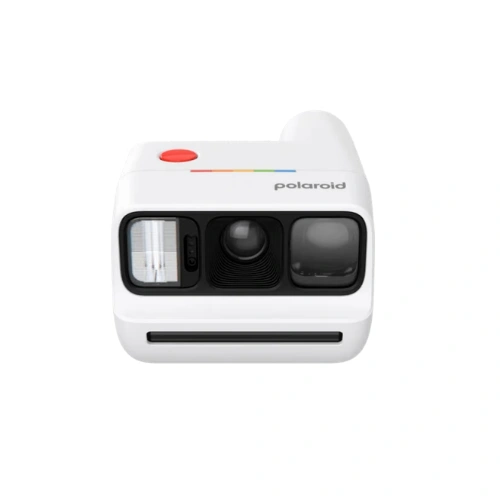
Independent testing gives credibility to the concept that these alterations are real. Generation 3 is much clearer and more evenly illuminated than its predecessors, especially outdoors, according to Digital Camera World. The camera now offers a maximum shutter speed of 1/500 of a second compared to 1/300 on Generation 2.
A New Lens Changes How The Camera Frames A Moment
One easily overlooked change is the tighter field of view. Generation 3 moves away from the wider perspective of earlier models and brings subjects closer within the frame. That suits portraits, selfies and photographs of people particularly well, since less empty space surrounds the main subject.
TechRadar also found that the redesigned lens produces a tighter perspective and works particularly well for selfies. For a camera built around spontaneous social photography, that feels more useful than simply adding another shooting mode.
A Stronger Flash Helps Where Earlier Models Struggled
Flash performance has received another practical upgrade. Polaroid says Generation 3 uses a stronger flash designed to produce clearer photographs across different lighting conditions. The improvement matters because small instant cameras often encounter their hardest conditions indoors, precisely where parties, dinners and casual portraits tend to happen.
A stronger flash cannot illuminate an entire room. Distance still matters, and expecting a tiny built in flash to rescue a faraway subject will lead to disappointment. Still, TechRadar reported strong selfie results from the new lens and flash combination, making this one of the more useful Generation 3 improvements.
Better Exposure Does Not Mean Every Photo Comes Out Perfectly
Exposure is a place to be wary with expectations. Digital Camera World considered Generation 3 to be far more consistent than preceding versions. But TechRadar too suffered from too much light in bright sunshine. Both findings can be true because analog instant film remains sensitive to the scene, light and conditions around each photograph.
Recent experiences on Reddit show why that distinction matters. Some people reported overexposed photographs in strong outdoor light, while others were still working out the lighting conditions that gave their camera the most reliable results.
The Small Format Remains The Biggest Reason To Choose A Polaroid Go
Size remains the clearest argument for this camera. Polaroid describes Generation 3 as the world’s smallest instant analog camera, and TechRadar measured it at 106.5 by 83.8 by 64.6 millimeters with a weight of 251 grams.
That compact body changes how often a camera can realistically come along. Larger Polaroid Instant Cameras can become something you deliberately decide to carry. The Polaroid Go is easier to bring to a dinner, festival, weekend trip or afternoon out without making photography the purpose of the day.
Self timer and double exposure modes also remain available. A selfie mirror sits on the front, while USB C charging removes the need to keep disposable batteries around. Controls stay deliberately limited, so people interested in extensive manual adjustments may find the simplicity restrictive.
Tiny Photos Bring Their Own Compromises
Portability is possible partly because the photographs are tiny too. Go film measures about 66.6 by 53.9 millimeters, with an image area around 47 by 46 millimeters. That creates a miniature version of the familiar square Polaroid aesthetic rather than a full sized instant print.
Small prints can be charming for keepsakes, phone cases, journals and photographs passed between friends. Fine details naturally have less room to make an impact, though. Landscapes and busy scenes may feel cramped compared with simple portraits or compositions built around one clear subject.
Film cost deserves consideration as well. Digital Camera World notes that Go film is sold in double packs containing 16 exposures. Each press of the shutter therefore carries a real cost, especially while learning which lighting situations suit the camera.
Generation 3 Feels Better Suited To Some Moments Than Others
Generation 3 makes the strongest case for itself around people. The tighter lens, stronger flash, selfie mirror and self timer all lean toward portraits, gatherings and spontaneous social photographs. Double exposure adds room for experimentation without complicating the basic controls.
People searching Polaroid Now Vs Go are likely dealing with a different decision involving format and camera priorities. Generation 3 should be judged on what the Go is designed to do. Its appeal comes from carrying a genuinely small analog camera and accepting the miniature photographs that make that portability possible.
Anyone researching a Polaroid Go Camera should also account for the distinctive film character. Colors can shift, shadows can become heavy and highlights may wash out. Those traits can feel expressive in one photograph and frustrating in another. Generation 3 improves consistency without removing that character entirely.
FAQs
Is The Polaroid Go Generation 3 Better Than Generation 2?
Generation 3 has new tighter lens, stronger flash, quicker max shutter speed and new aperture behavior. Digital Camera World testing showed crisper and more consistent outcomes generally. The increase is significant but existing owners that are satisfied with Generation 2 may not need to upgrade.
Does The Polaroid Go Still Overexpose Photos?
It can. Generation 3 improves exposure performance, but bright sunlight remains capable of producing washed out highlights. TechRadar encountered this during testing, and recent Reddit discussions contain similar experiences from people using the new model.
Is The Polaroid Go Generation 3 Worth Upgrading To?
An upgrade makes the most sense if exposure or image quality has been a recurring frustration with an earlier Go. If size and casual instant photography already work well for you, the improvements may feel evolutionary rather than essential.
Generation 3 feels like a more considered Polaroid Go, with Polaroid improving areas that directly affect everyday photography. Sharper optics, a stronger flash and more reliable exposure make the tiny camera easier to enjoy, although difficult lighting can still produce unpredictable results. Its biggest strength remains unchanged.
Follow EmpireOfCoupons for more practical technology reviews and buying insights.