Is Physical Therapy More Powerful Than Relying on Heavy Supplements?
Admin 2025-06-15 12:18:00
Many people turn to supplements to fix pain or movement problems, hoping for quick results. True recovery often needs more than pills. Physical therapy focuses on movement, healing, and long-term care. Learn why physical therapy does more than heavy supplements and how proper documentation supports better patient outcomes.
Undoubtedly, we all want quick fixes when our body feels stiff, weak, or in pain. Supplements are often the first choice. Shelves are full of pills that promise faster recovery, stronger muscles, or less discomfort. But the real question is this: does taking heavy supplements truly fix the problem, or is physical therapy doing something deeper and more lasting?
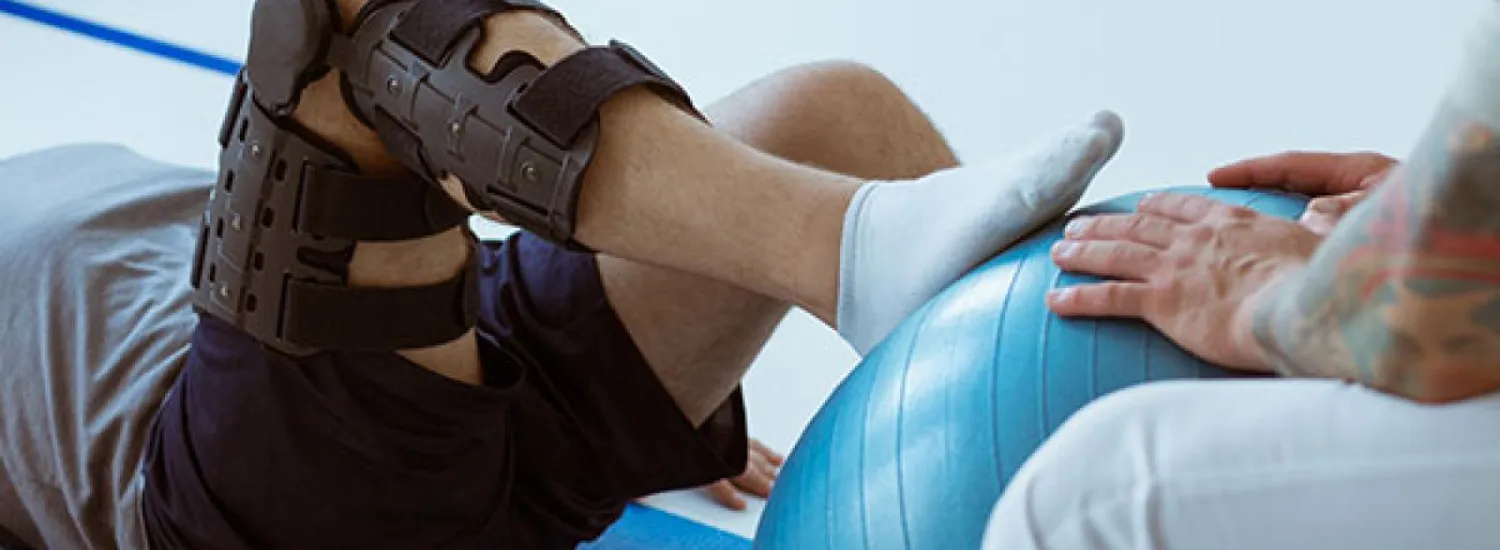
Physical therapy focuses on movement, function, and healing from the inside out. Instead of masking symptoms, it works on restoring strength, balance, and mobility. For many people, physical therapy does far more than supplements ever could.
Why Physical Therapy Goes Beyond Supplements
Supplements may help support the body, but they do not teach it how to move better. They do not correct posture, rebuild coordination, or improve daily function. Physical therapy, on the other hand, helps people understand their bodies.
Through guided exercises, hands-on care, and movement training, physical therapy addresses the root cause of pain or limitation. It helps patients regain confidence in how they move, walk, lift, and live their daily lives. This is why physical therapy is often the better long-term solution. It focuses on recovery, not dependency.
The Role of Physical Therapists in Patient Care
Physical therapists do much more than guide exercises. They observe movement patterns, track progress, and adjust care plans based on real results. Every session builds on the last one.
To make this possible, physical therapists rely on accurate records. These records show what worked, what changed, and what needs improvement. This is where documentation becomes a critical skill.
Why Documentation Is a Core Skill in Physical Therapy
Physical therapy documentation is not just paperwork. It is part of patient care. Clear records help therapists understand patient progress and plan the next steps.
Good documentation also helps other healthcare providers understand what is happening. It creates smooth communication across the care team, especially when patients see multiple professionals.
Strong documentation supports:
- Better treatment decisions
- Clear communication between providers
- Patient safety and continuity of care
- Compliance with healthcare rules
Without proper records, even great therapy can lose its impact.
How Documentation Supports Patient Progress
Documentation helps track changes over time. It shows whether pain is decreasing, strength is improving, or movement is becoming easier.
For patients, this means therapy is more focused. For therapists, it means care plans are backed by clear information, not guesswork. Documentation also helps show medical necessity. This is important for insurance, billing, and audits. Clear notes protect both the patient and the therapist.
Common Ways Physical Therapists Document Care
Different settings use different formats, but the goal is always clarity. One common method is a structured note system that separates patient feedback, measurable findings, therapist judgment, and the plan ahead. This keeps notes organized and easy to review.
Some settings prefer detailed written summaries that describe the session in a timeline. Others use charts or flow-style records to track exercises and responses quickly. No matter the format, the focus stays the same: clear communication.
What Makes Physical Therapy Documentation Strong
Good documentation tells a story. It explains where the patient started, what changed, and where they are going next.
Strong notes are:
- Written on time
- Based on facts, not guesses
- Clear and complete
- Easy to read
- Focused on function
Instead of vague statements, good documentation explains how therapy improves daily life. It connects exercises to real-world goals, like walking without support or returning to work.
Simple Tips to Improve Documentation Skills
Documentation is a skill that improves with practice. Physical therapists can strengthen this skill by keeping a few things in mind.
Writing clear goals helps keep notes focused. Using standard tests and measures makes progress easier to track. Being specific about exercises and patient response adds value to every note.
Avoid copying old notes without review. Every session is different, and records should reflect that.
Legal and Ethical Responsibility
Documentation is also a legal record. It may be reviewed by insurance providers, auditors, or even patients themselves. So, accuracy matters. Notes should always be signed, dated, and written honestly. Mistakes should be corrected properly, not hidden.
Protecting patient privacy is also essential. Following privacy laws builds trust and professionalism.
Documentation and Billing Must Match
Clear documentation supports proper billing. If therapy is billed, the notes should explain what was done and why it mattered.
When records and billing match, claims are processed smoothly. When they don’t, payments can be delayed or denied. Good documentation protects time, effort, and reputation.
Balancing Quality Care and Time Limits
Physical therapists are busy. Between patient care and paperwork, time can feel limited. The key is working smarter.
Using templates wisely, documenting while details are fresh, and learning efficient tools can save time without lowering quality. The goal is not more paperwork. The goal is better communication.
Why Learning Never Stops in Physical Therapy
Just like treatment skills, documentation skills need ongoing improvement. Healthcare rules change. Technology evolves. Expectations rise.
Continuing education helps therapists stay confident and current. Learning new approaches makes documentation easier, faster, and stronger.
Why HomeCEU Is a Smart Choice for Physical Therapists
HomeCEU is the platform that was created by physical therapists who understood the challenges of traditional education. Traveling, sitting through long weekends, and dealing with outdated systems is not practical for busy professionals.
HomeCEU offers online continuing education that is easy to access and simple to use. Courses are designed to fit into real life, not disrupt it.
Today, HomeCEU supports over 100,000 professionals across physical therapy and related fields. With on-demand seminars, live webinars, and a user-friendly learning system, HomeCEU makes skill-building flexible and affordable. For therapists who want to strengthen documentation skills while saving time and money, HomeCEU provides a modern solution.
Physical therapy does far more than supplements ever could. It restores movement, confidence, and independence. But behind every effective treatment plan is strong documentation. Good records support patient care, communication, and professional growth. They protect therapists and help patients get the best outcomes.
By improving documentation skills and choosing the right education platform, physical therapists can grow stronger in every part of their practice. HomeCEU makes that growth easier, smarter, and more accessible, without stepping away from what matters most: patient care.
HomeCEU has an affiliate program, and we are an affiliate with them. As an affiliate partner, I’m excited to share this useful information with you. By clicking the following link, you may get a discount on your next purcahse. We may earn a small commission at no extra cost to you.
Stay tuned to EmpireOfCoupons to learn more about how physical therapists can grow stronger in every part of their practice.