How to Make Bakery Style Desserts With Natural Yellow Color for Food
admin 2026-11-14 17:55:00
Beautiful yellow desserts begin with the right coloring technique. Discover how to achieve vibrant, even shades using turmeric based coloring.
All featured products are selected by our editors and may include affiliate links. If you purchase through these links, we may earn a commission.
A beautifully decorated cupcake can look straight out of a bakery with little more than a swirl of yellow frosting. Yet achieving that cheerful, even shade can be surprisingly tricky. Too much coloring may affect the flavor, while uneven mixing leaves streaks that spoil the finish.
Using natural yellow color for food takes some care, particularly when working with turmeric derived pigments. Fortunately, a few simple techniques can help you create appealing buttercream, cupcakes, and chilled desserts without compromising the recipe.
How Nature's Flavors Yellow Food Coloring Can Help Build the Desired Shade
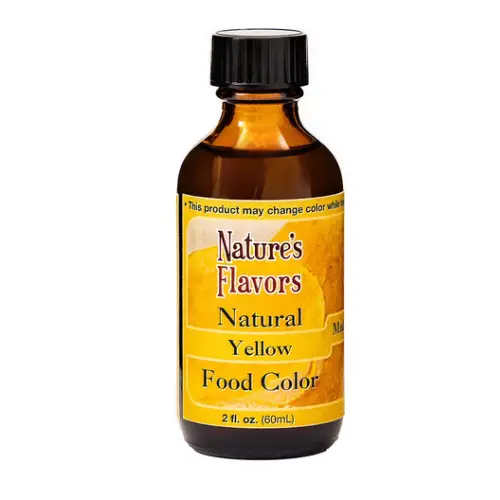
Nature’s Flavors’ yellow food colouring is a liquid made from turmeric and carried in a glycerine base. It’s bright and almost fluorescent in appearance, the company claims, making it an interesting option for desserts that need a strong pop of colour.
The liquid is made to be easily added to appropriate recipes, but the amount will depend on the ingredients and the strength you want to achieve. Nature's Flavours recommends adding in small amounts and test before making large batches.
The product is also vegan, gluten free, kosher and non gmo. It lists glycerine and natural colour from turmeric as ingredients, so it’s a pretty straightforward formula for those interested in plant-derived colouring.
One thing to consider is worth mentioning. If you use too much turmeric it can give an earthy taste. This exact issue was raised on Reddit in a discussion about naturally colouring frosting, especially for brighter colours.
The sensible approach is to balance appearance with flavor. A vivid result has little value if the coloring changes the taste of an otherwise successful dessert.
How to Create a Soft Yellow Finish in Buttercream
Buttercream is a good place to get started using a natural yellow dye because it is so pale that you can see the subtle differences. But the butter itself can also affect the warmth or creaminess of the final colour. Take your regular buttercream and whip it until it is light and fluffy. Before adding the colouring, transfer a small amount into a separate bowl.
Add a tiny amount, mix thoroughly, and examine the result under natural light. Repeat gradually until the mixture reaches the desired shade. Don’t jump to conclusions about the colour. Frosting can darken as it sits and one Reddit cake thread mentioned seeing turmeric coloured buttercream turn much lighter a few hours after it was made.
Allowing a test portion to rest can prevent unnecessary additions. Once satisfied, repeat the measured proportion in the remaining frosting. For delicate decorations, consider piping a small sample first. The ridges and shadows created by a piping nozzle can make yellow appear richer than it looks inside the mixing bowl.
How to Give Cupcakes a Brighter Yellow Appearance
Cupcakes offer two opportunities to introduce color through the cake itself and through the frosting. Choosing where to use yellow food dye depends on the appearance you want to achieve. For a golden sponge, mix a small quantity into the wet ingredients before combining them with the flour. This helps distribute the coloring without requiring excessive stirring once the batter is complete.
Do not add additional liquid to a batter that has already been blended. Overmixing can develop gluten and affect tenderness, especially in recipes that are supposed to have a light crumb. Heat presents another consideration. Turmeric pigments can undergo changes during processing, so the intensity seen in raw batter may differ from the baked result.
A practical technique is to bake one test cupcake before committing to an entire batch. Cut it open after cooling to examine the interior shade rather than judging only the browned exterior. A simple vanilla cupcake topped with bright turmeric food coloring in the buttercream can create an attractive finish without changing the sponge recipe.
How to Use Yellow Food Coloring in Chilled Desserts
Lots of yellow shades can be experimented with in chilled desserts. A pale background, think vanilla pudding, cheesecake filling, and creamy dessert cups, can make small additions especially noticeable. Nature's Flavors lists desserts among the intended applications for its liquid coloring. However, each mixture behaves differently depending on its consistency, fat content, and other ingredients.
For smooth preparations such as pudding, incorporate the yellow food coloring while the mixture is still easy to stir. Work with a small sample first, especially when dealing with delicate flavors. For a no bake cheesecake, add the colouring to part of the filling and gently fold into the rest. This helps to distribute the shade without unnecessary mixing once the desired texture has been reached.
Remember that chilling can change how a dessert looks. Cold surfaces, condensation, and the lighting inside a refrigerator can all influence its appearance.
How to Keep Color Even Without Overmixing or Adding Too Much
One trick that can be helpful is to set a repeatable colour reference before you decorate. Don’t add colouring directly to a large bowl. Create a small measured test and note what you need to get the right colour. This helps to create a guide for future batches and reduces the risk of cupcakes or dessert cups having visibly different outcomes.
A few precautions can improve consistency.
- Measure carefully. Use a clean dropper or suitable measuring tool for controlled additions.
- Combine thoroughly. Scrape the bowl often to avoid any concentrated spots.
- Taste of flavour. Start with a small sample before increasing the intensity.
- Allow time. Let the color settle before deciding that more is necessary.
- Protect the finish. Keep prepared desserts away from unnecessary exposure to strong light.
Turmeric pigments are sensitive to light and alkaline conditions. Consequently, storage and recipe composition can influence the stability of a natural yellow dye over time. Nature’s Flavours recommends refrigeration for this product in particular, and says it can stay stable for up to three years if stored correctly. Store in tightly closed containers. Follow storage instructions on the product label.
FAQs
Does Turmeric Food Coloring Change the Taste of Frosting?
It can, particularly when excessive amounts are added. Nature's Flavors acknowledges that turmeric-derived coloring may affect flavor at higher concentrations. Begin with a small quantity and taste the frosting before increasing the intensity.
Can Natural Yellow Coloring Be Used in Cake Batter?
Yes. Nature's Flavors identifies baked goods as a suitable application. However, the finished shade may change during baking. Testing a small portion helps determine whether the result is sufficiently vibrant.
Why Does Yellow Buttercream Become Brighter After Resting?
Colour can look more intense as it spreads through the frosting. The perception is also affected by the original buttercream shade and lighting. Letting a sample sit before tweaking prevents an over-the-top finish.
Can Turmeric-Based Coloring Be Used in Chocolate?
This particular Nature's Flavors formulation is water-soluble. Chocolate generally requires coloring specifically designed for fat-based applications, so compatibility should be verified before adding it to melted chocolate.
A beautifully coloured dessert rarely needs elaborate decoration. That and an awareness of colour in different mixtures, careful measuring, and time for a final colour to develop can make simple recipes stunningly polished. Nature's Flavors offers a turmeric-based option for achieving cheerful yellow finishes, but thoughtful application remains the secret to getting the appearance and flavor right.
Follow EmpireOfCoupons for more practical food guides and delicious inspiration.